Metal Finish HPL Panels
Metallic finish laminate for stunning artistic effects
Quick Specifications
Product Overview
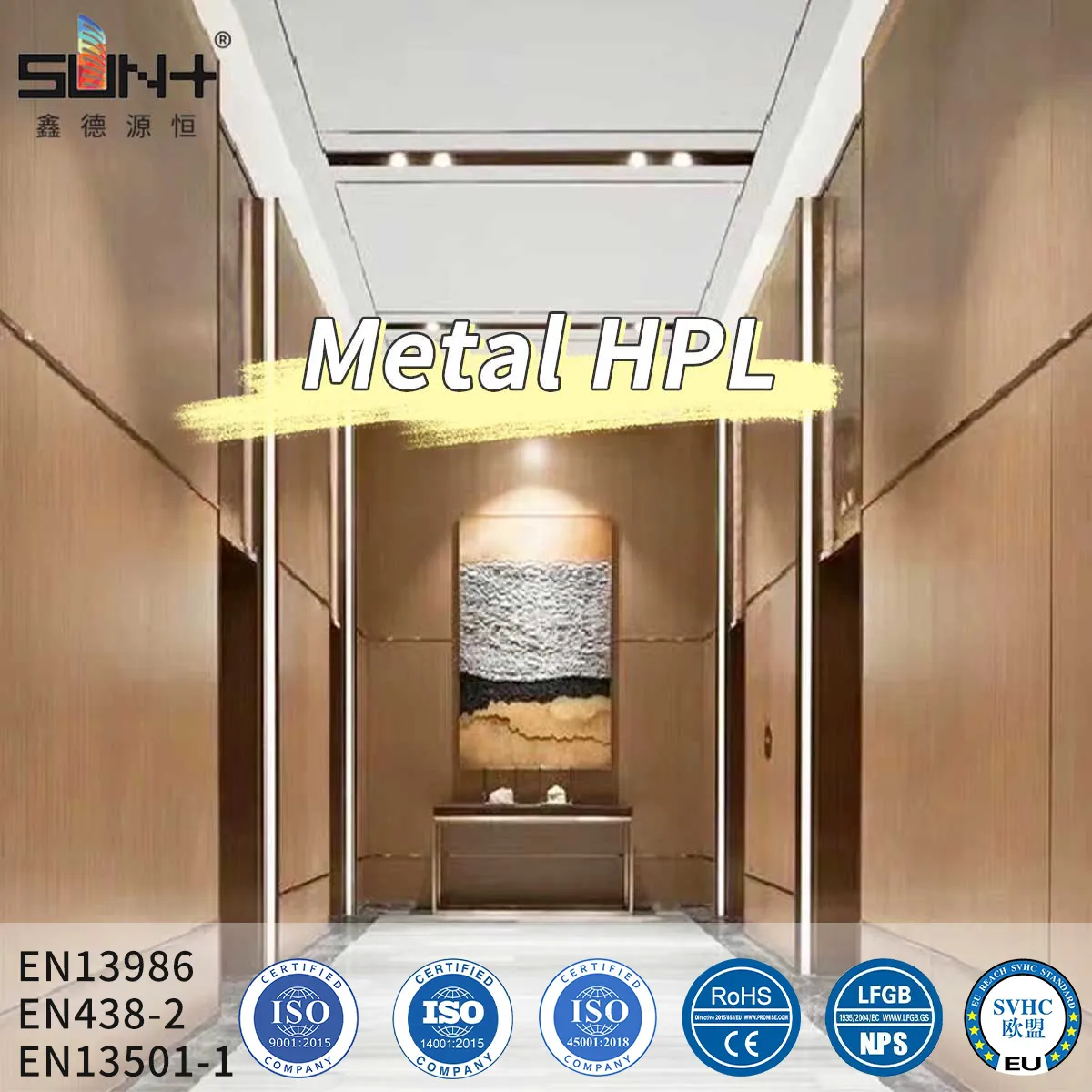
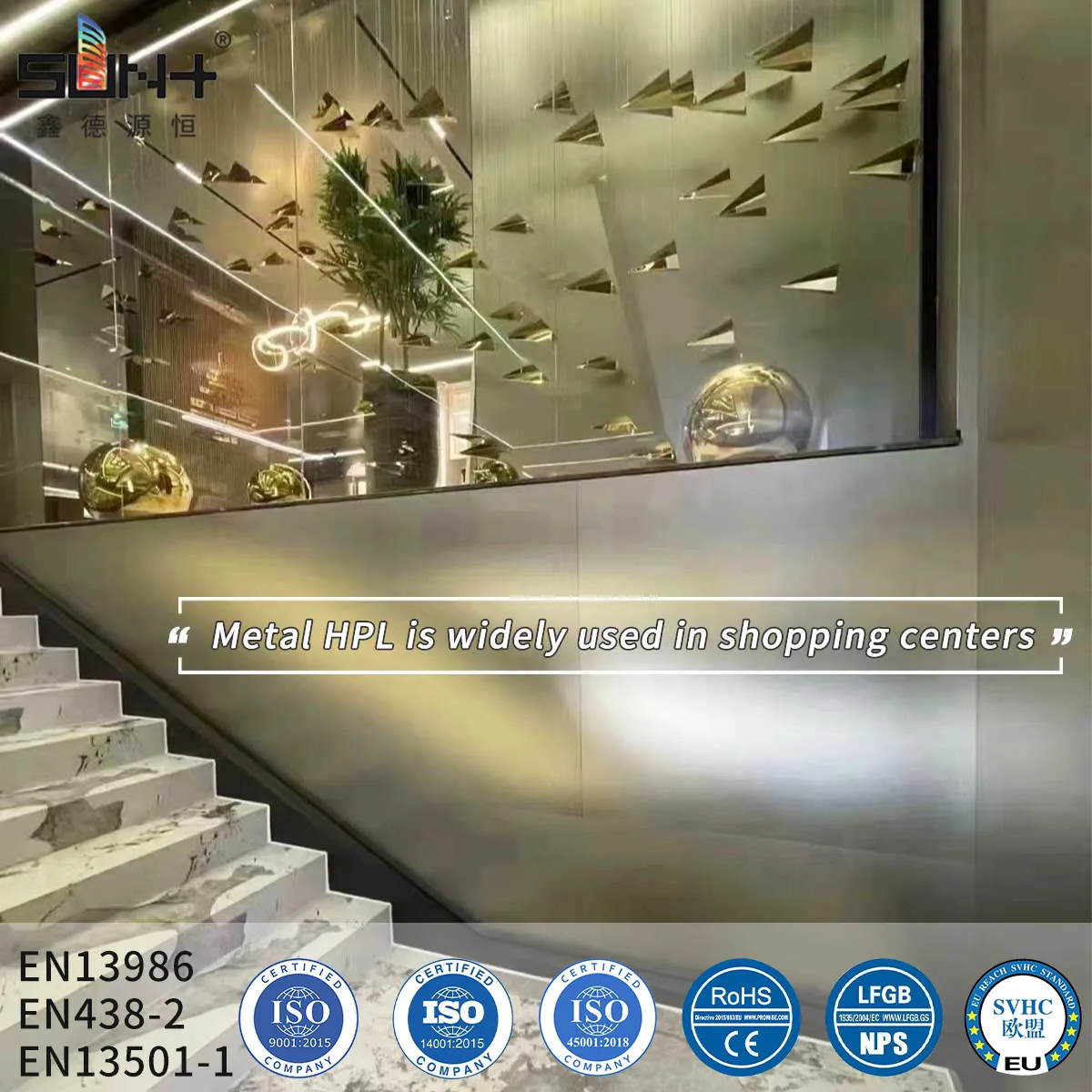
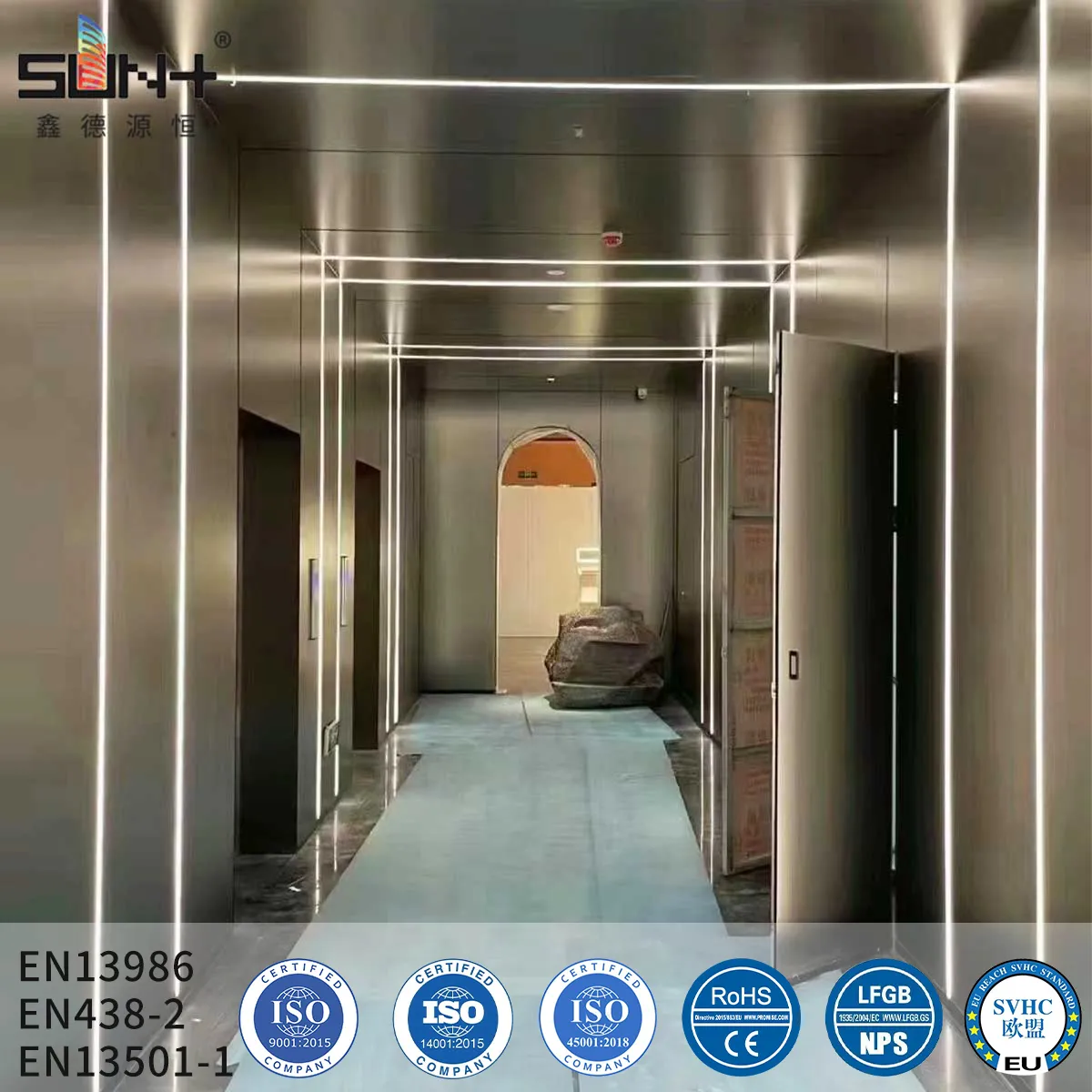
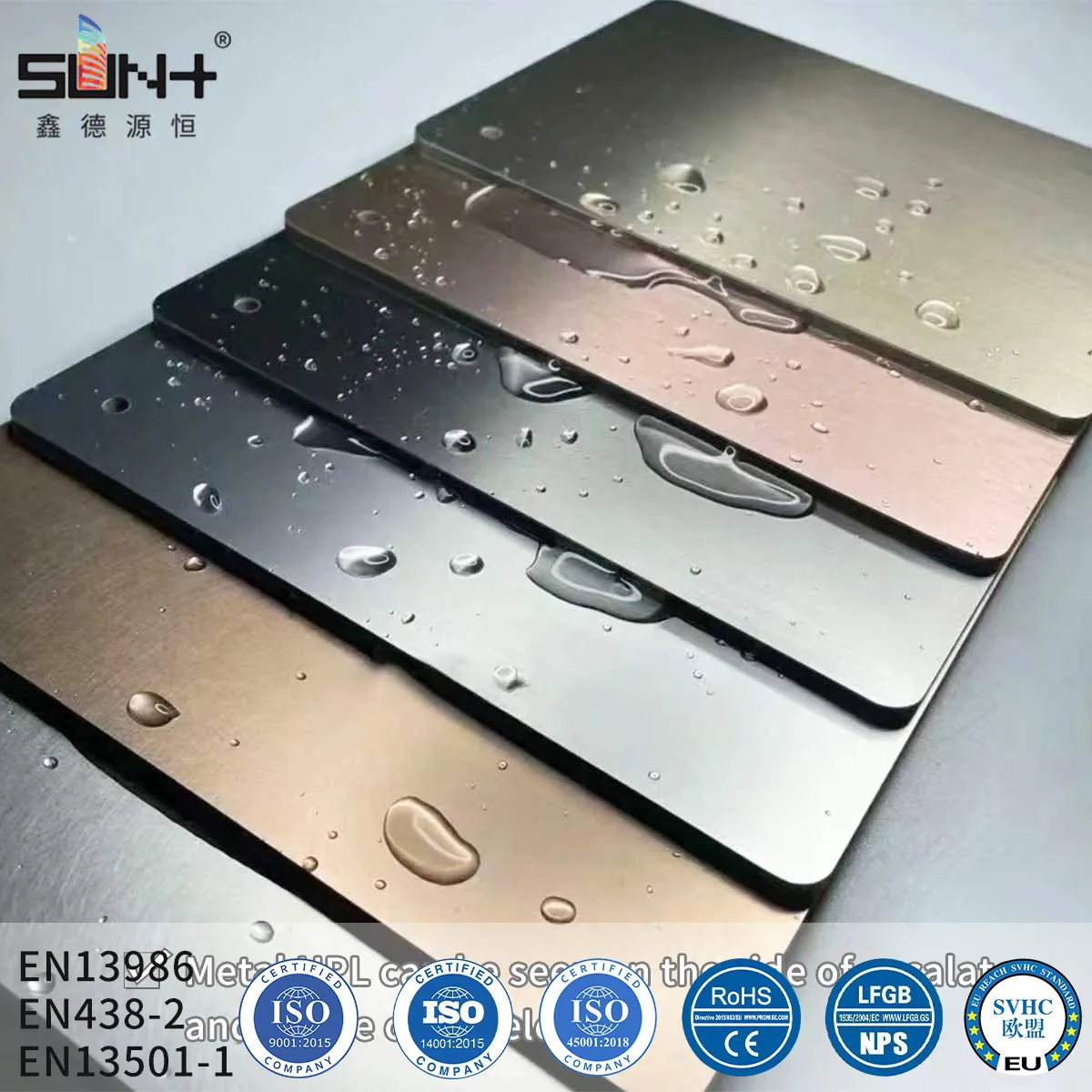
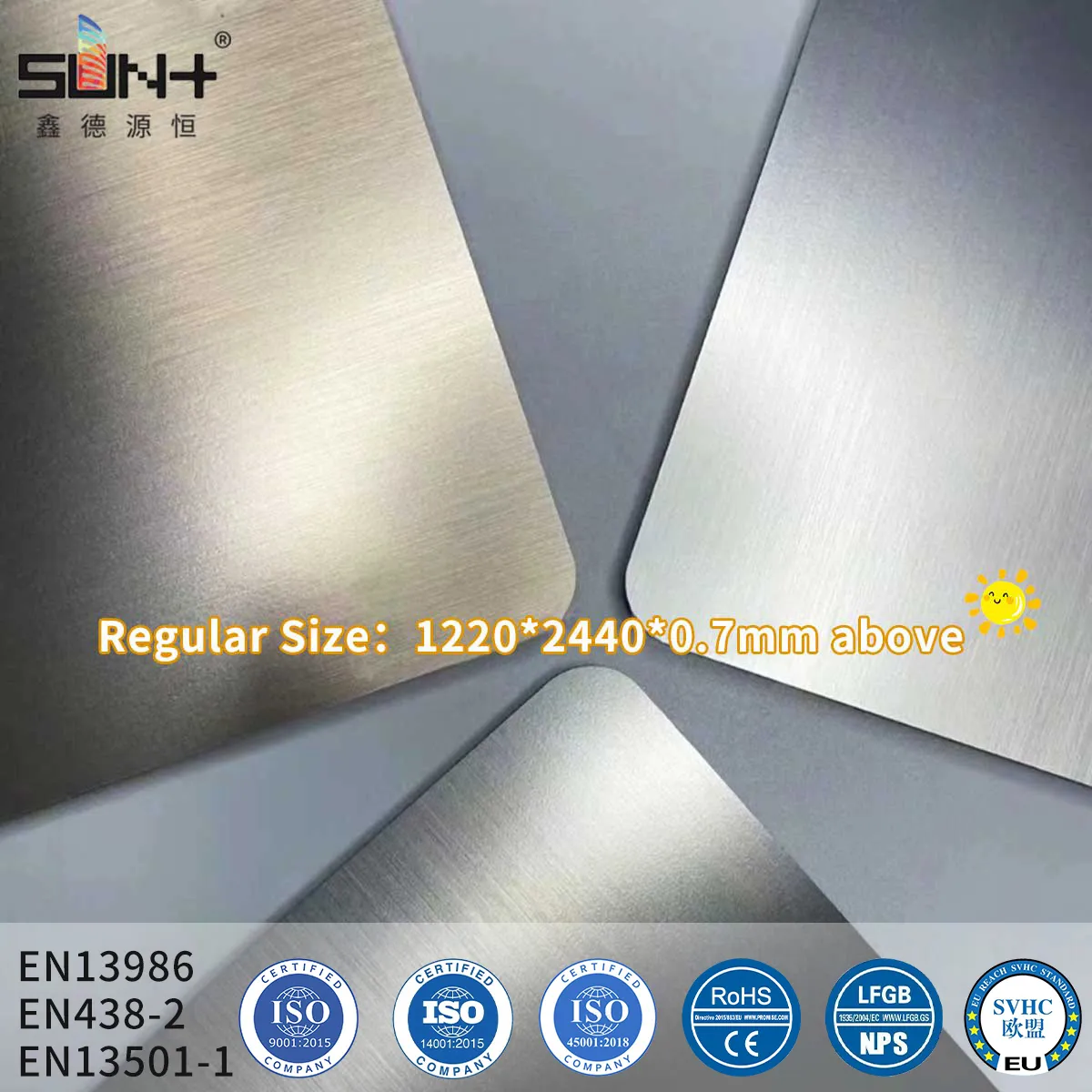
Metal Finish HPL Panels is a specialized decorative high-pressure laminate featuring authentic metallic finishes that replicate the appearance and tactile qualities of real metal surfaces including brushed aluminum, stainless steel, copper, brass, and bronze. The manufacturing process involves applying metallic foils or specialized metallic pigment coatings to decorative paper, which is then impregnated with melamine resin and laminated with kraft paper layers under high pressure (100-120 kg/cm²) and temperature (140-160°C). The result is a durable laminate surface with genuine metallic luster, directional grain patterns (in brushed finishes), and the cool-touch feel characteristic of metal. Unlike actual metal panels, Metal HPL is lightweight, easy to fabricate, does not conduct electricity, resists corrosion and oxidation, and maintains consistent appearance without tarnishing or patina development. Available finishes include brushed stainless steel, mirror chrome, brushed aluminum, antique copper, brushed brass, and oxidized bronze. Surface textures range from smooth mirror finishes to linear brushed patterns and hammered textures. The material provides all standard HPL performance benefits: scratch resistance, stain resistance, easy cleaning, and UV stability. Thickness typically 0.6-1.2mm for furniture applications. Ideal for creating high-impact feature walls, elevator interiors, column cladding, retail fixtures, restaurant interiors, bar fronts, furniture accents, and any application requiring metallic aesthetics without the weight, cost, and maintenance challenges of real metal. Particularly popular in contemporary and industrial design aesthetics. The material can be fabricated using standard woodworking tools and bonded to substrates with contact adhesive. Meets EN 438 standards for decorative laminates with additional specifications for metallic surface durability. Offers designers the ability to incorporate metallic elements into projects at a fraction of the cost of actual metal fabrication while providing superior durability and ease of maintenance.
Technical Specifications
Surface Properties
| Thickness | 0.6mm - 1.2mm |
| Finish Types | Brushed, Mirror, Hammered |
| Metal Types | Aluminum, Steel, Copper, Brass, Bronze |
| Surface Texture | Directional grain or smooth |
Performance Characteristics
| Scratch Resistance | Good to Excellent |
| Corrosion Resistance | Excellent (does not oxidize) |
| UV Stability | Excellent (no fading) |
| Maintenance | Easy clean, no polishing required |
Quality Standards
| Laminate Standard | EN 438 |
| Metallic Durability | Permanent finish |
| Fabrication | Standard woodworking tools |
Key Benefits
Metallic Finish
Authentic metal appearance, realistic texture
No Tarnishing
Maintains luster permanently, no oxidation
Lightweight
Easy to install, no special tools
Cost Effective
Metal look without metal cost
Durable
Scratch and wear resistant
Easy to Clean
Simple maintenance
Versatile
Furniture, walls, fixtures
Multiple Finishes
Brushed, polished, aged options
Real-World Case Studies
Proven Excellence in Global Projects
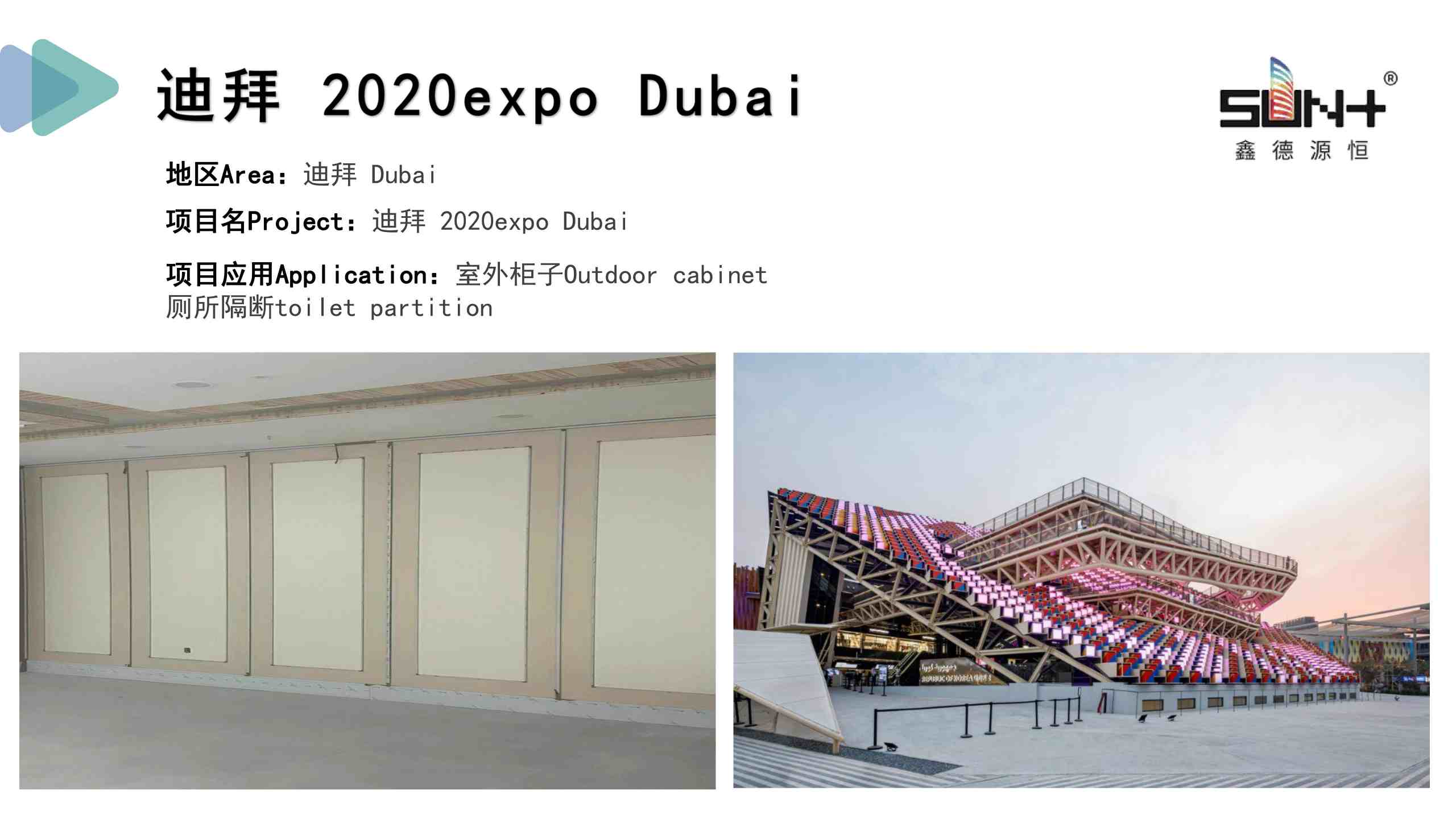
Dubai 2020 Expo
SUN PLUS HPL materials were used for outdoor cabinets and toilet partitions at the Dubai 2020 Expo, demonstrating excellent durability and weather resistance in high-traffic public spaces.
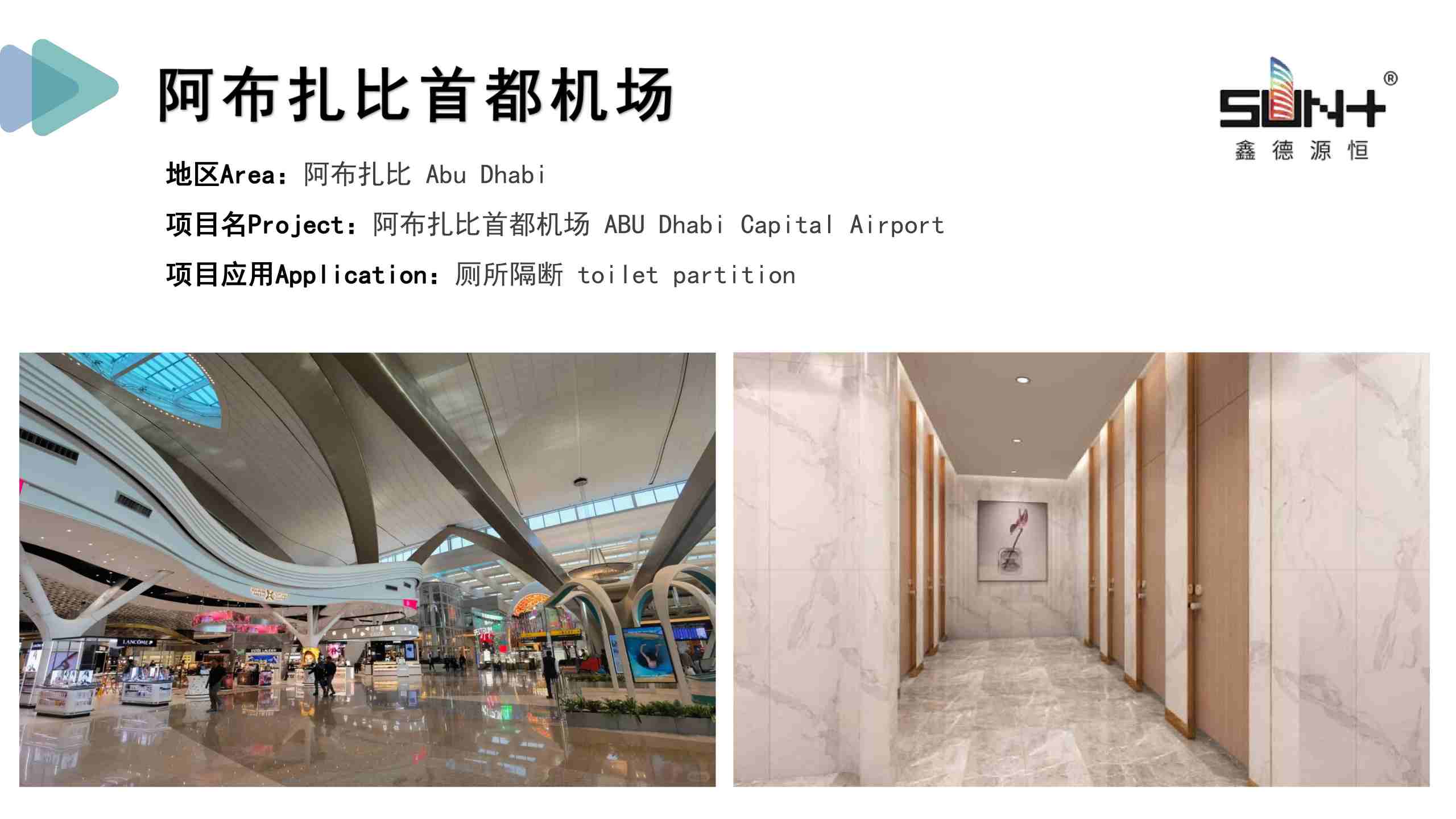
Abu Dhabi Capital Airport
Premium HPL partition systems were installed in Abu Dhabi Capital Airport's facilities, providing hygienic, durable, and easy-to-maintain surfaces for high-traffic airport environments.
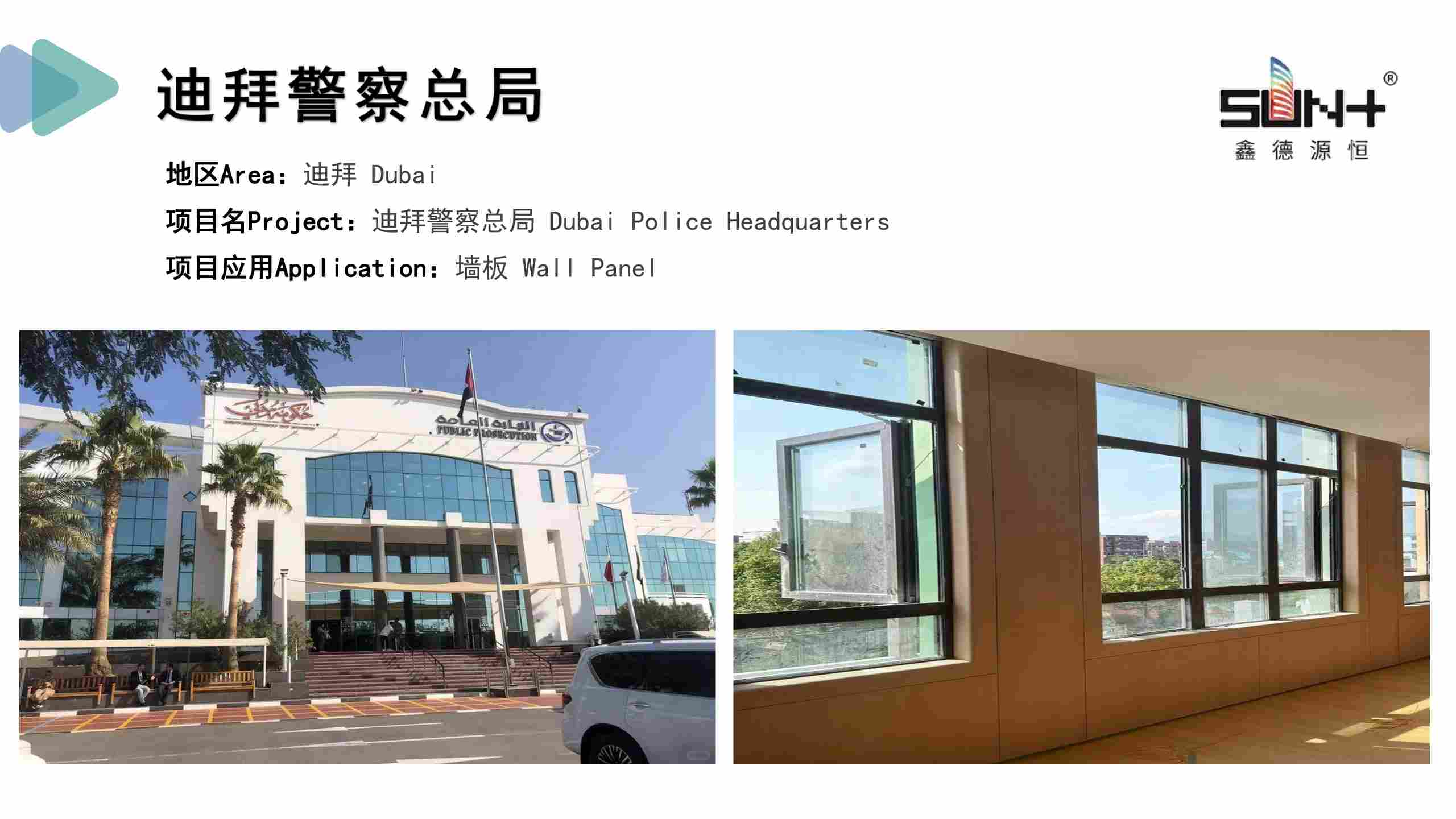
Dubai Police Headquarters
SUN PLUS wall panels were selected for Dubai Police Headquarters, offering superior durability, fire safety, and professional aesthetics for government facilities.
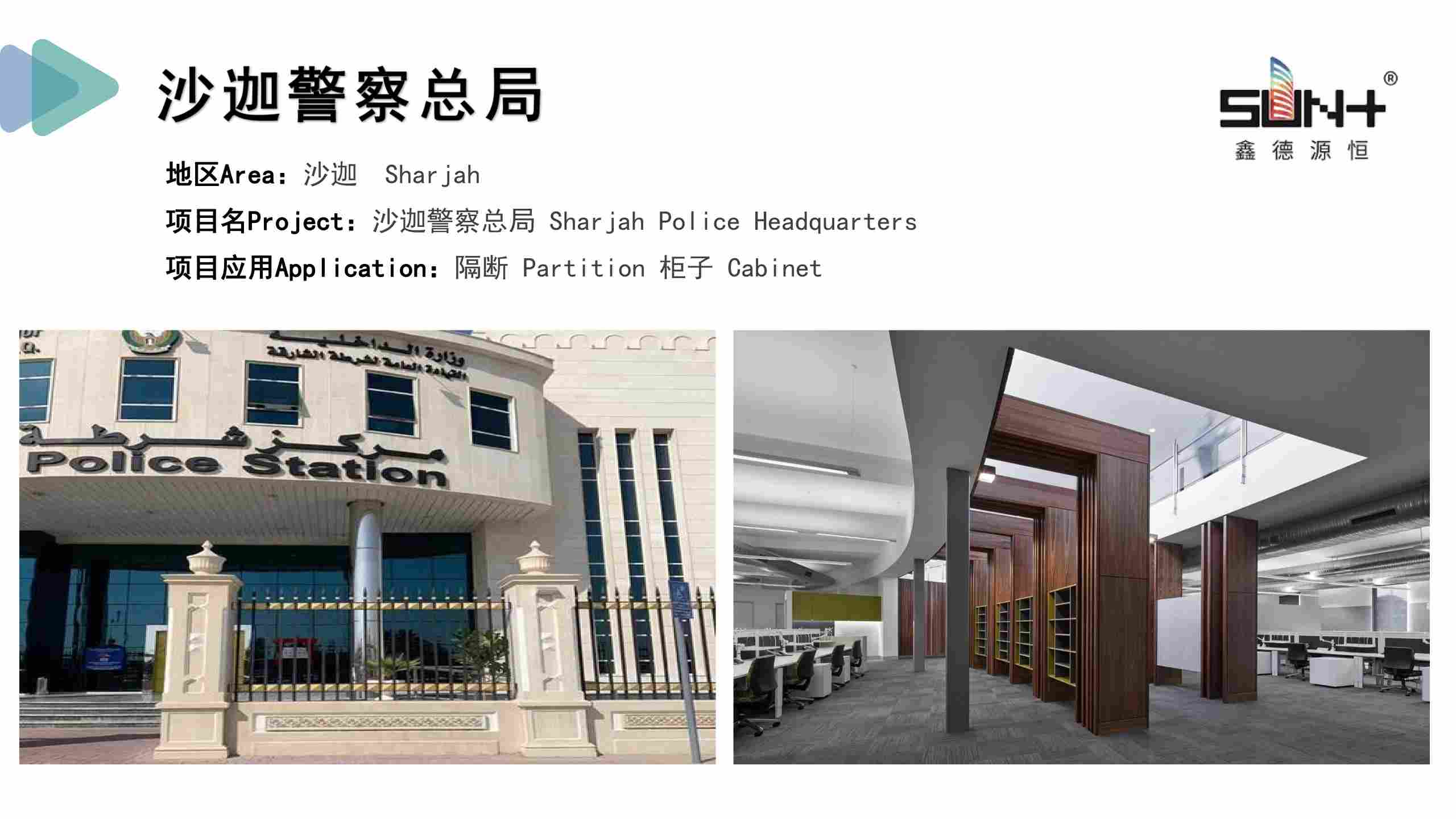
Sharjah Police Headquarters
High-performance HPL partitions and cabinets were installed at Sharjah Police Headquarters, combining functionality with professional design for law enforcement facilities.
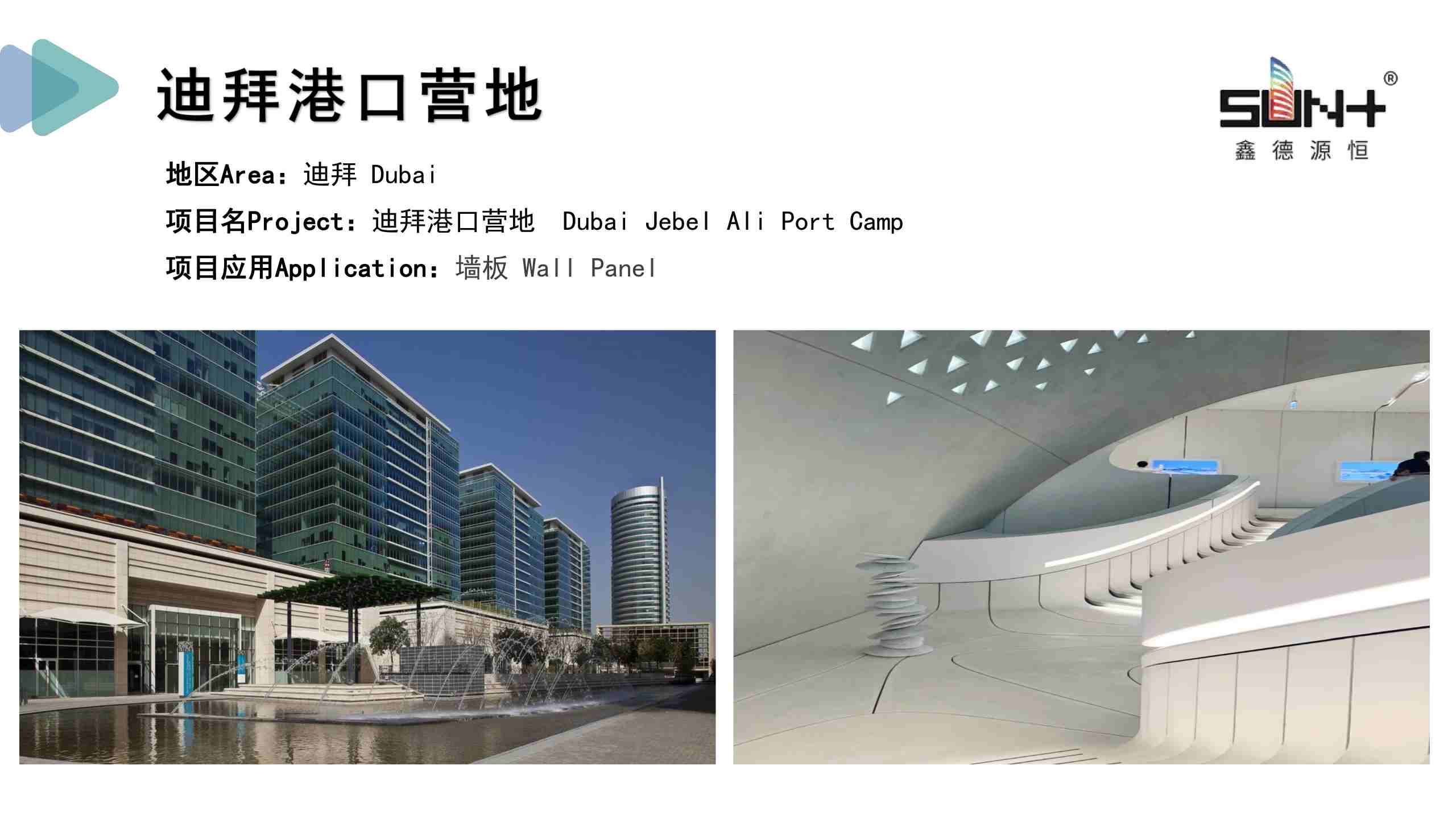
Dubai Jebel Ali Port Camp
Weather-resistant HPL wall panels were used at Dubai Jebel Ali Port Camp, providing excellent protection against harsh maritime and outdoor conditions.
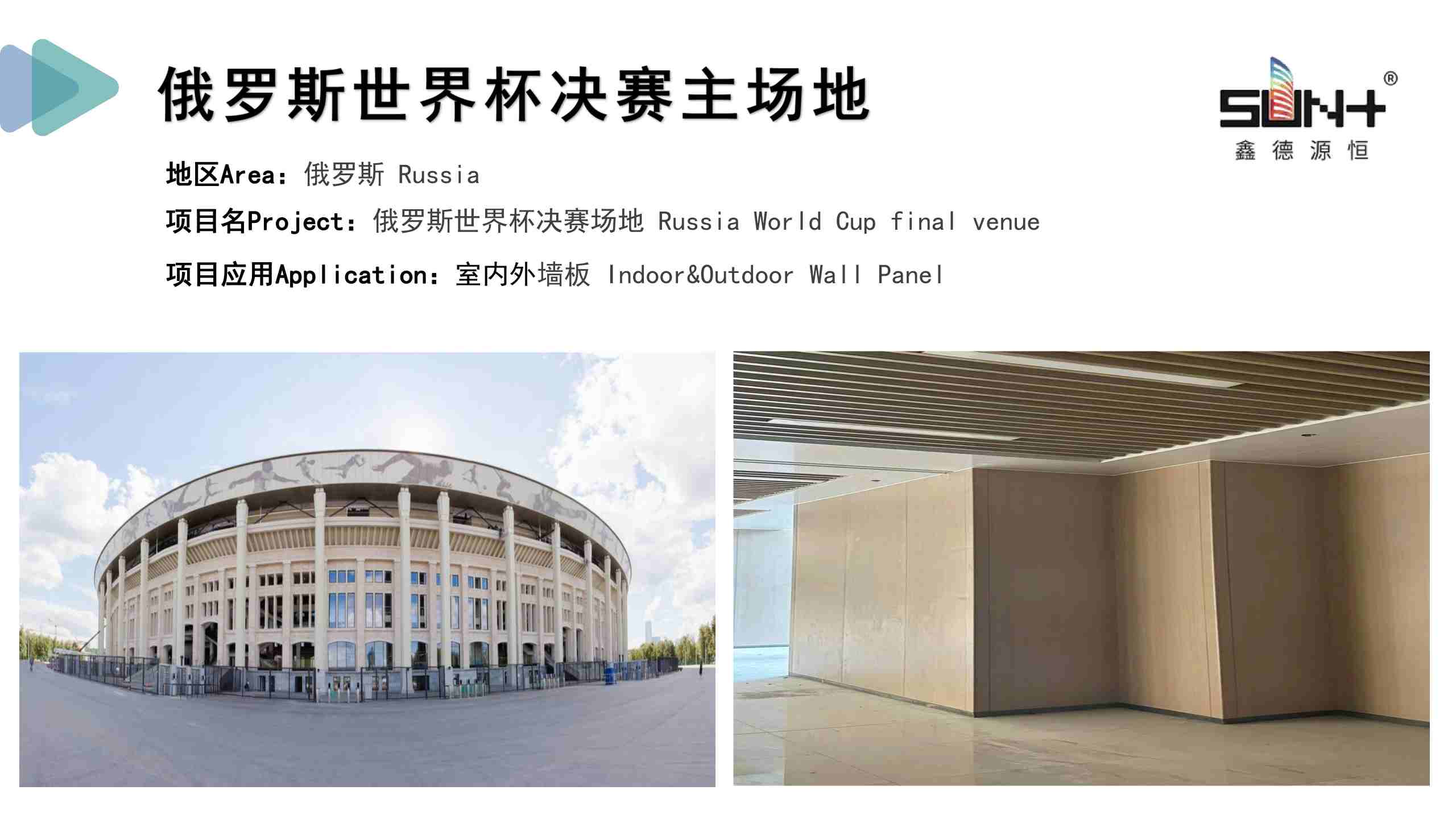
Russia World Cup Final Venue
SUN PLUS HPL materials were selected for the Russia World Cup final venue, meeting international standards for both indoor and outdoor applications with superior performance.
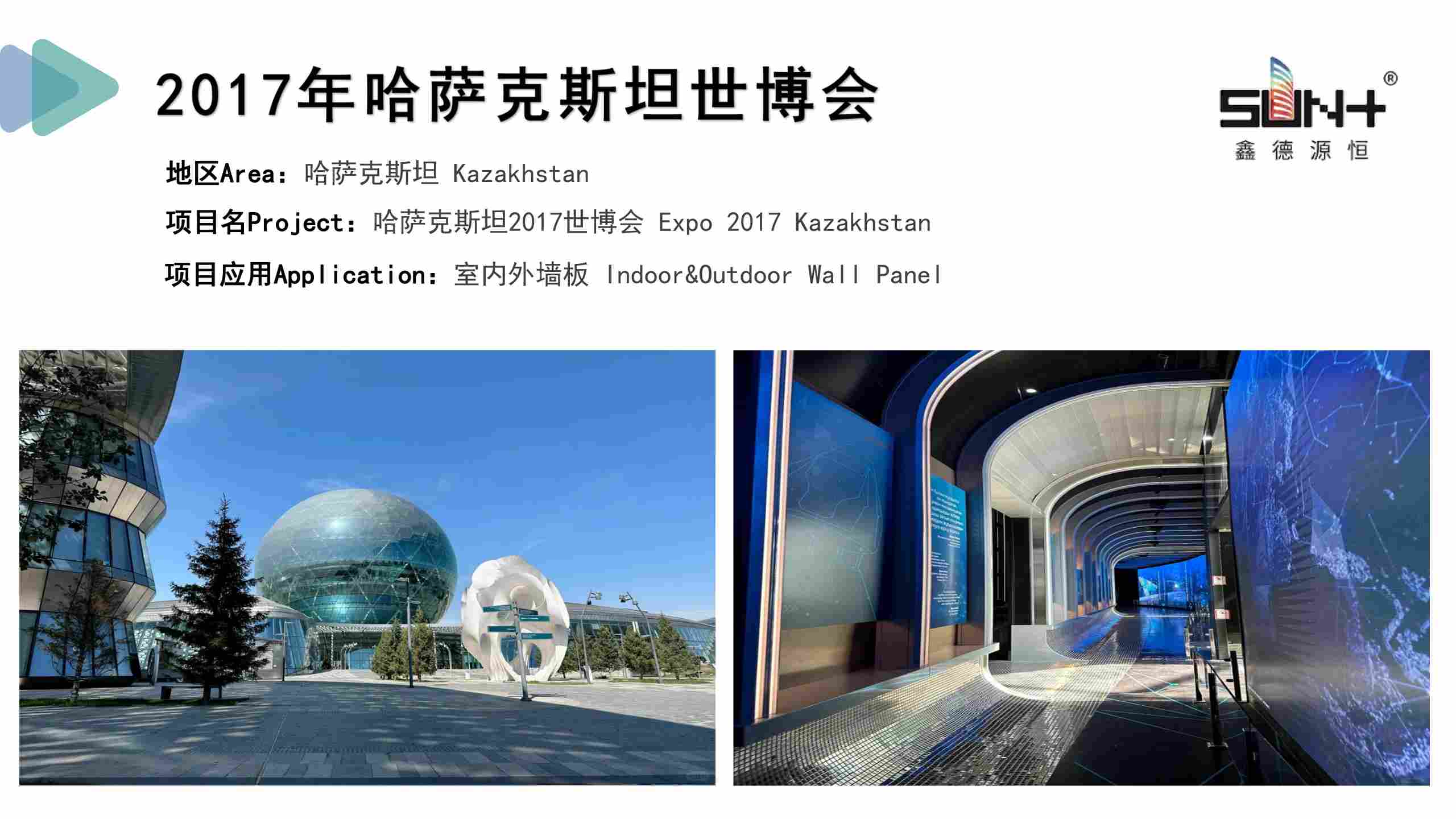
Expo 2017 Kazakhstan
Premium HPL wall panels were featured at Expo 2017 in Kazakhstan, showcasing the versatility and aesthetic appeal of SUN PLUS materials for international exhibitions.
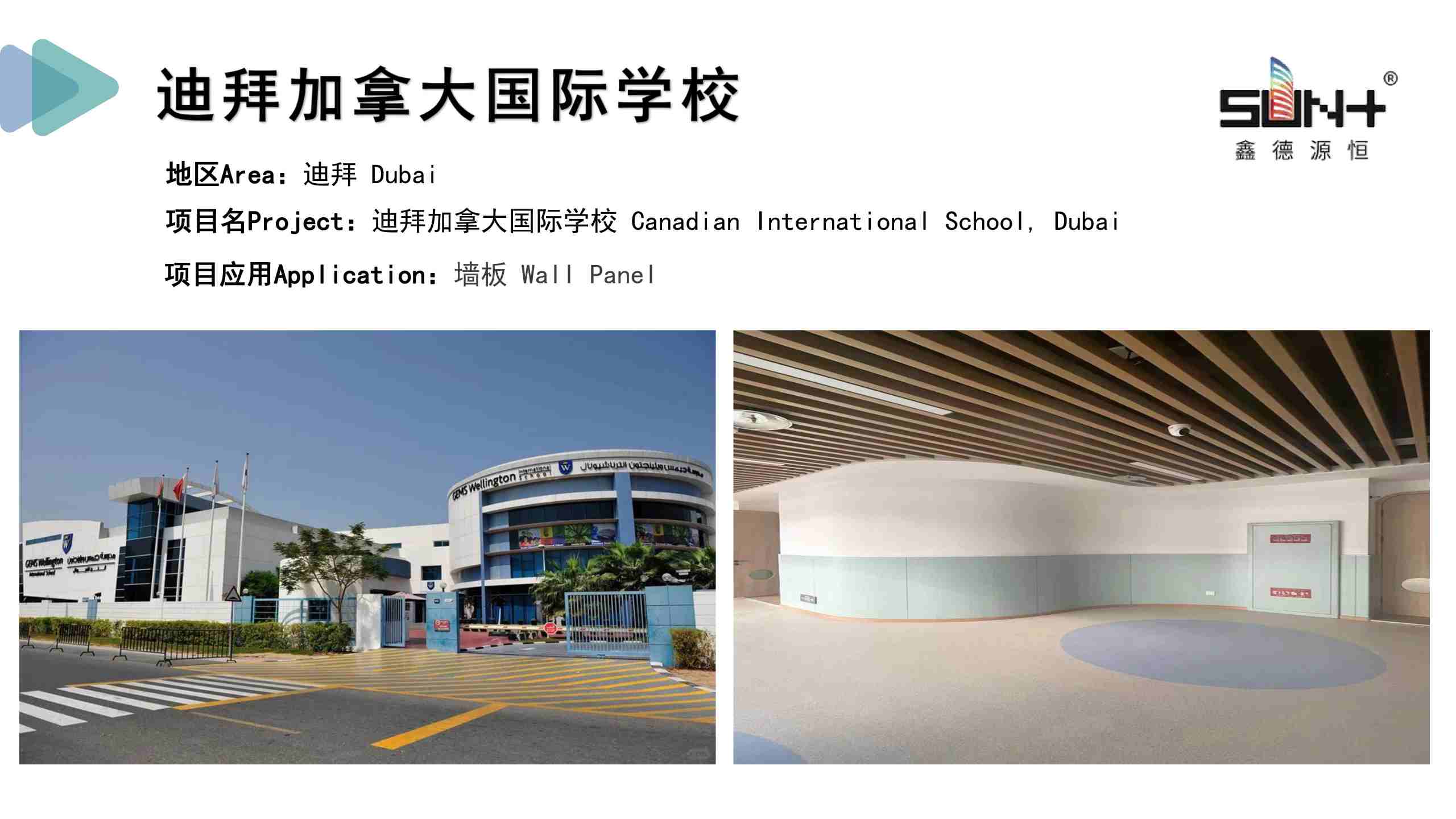
Canadian International School Dubai
SUN PLUS wall panels were installed at Canadian International School Dubai, providing durable, safe, and aesthetically pleasing surfaces for educational environments.
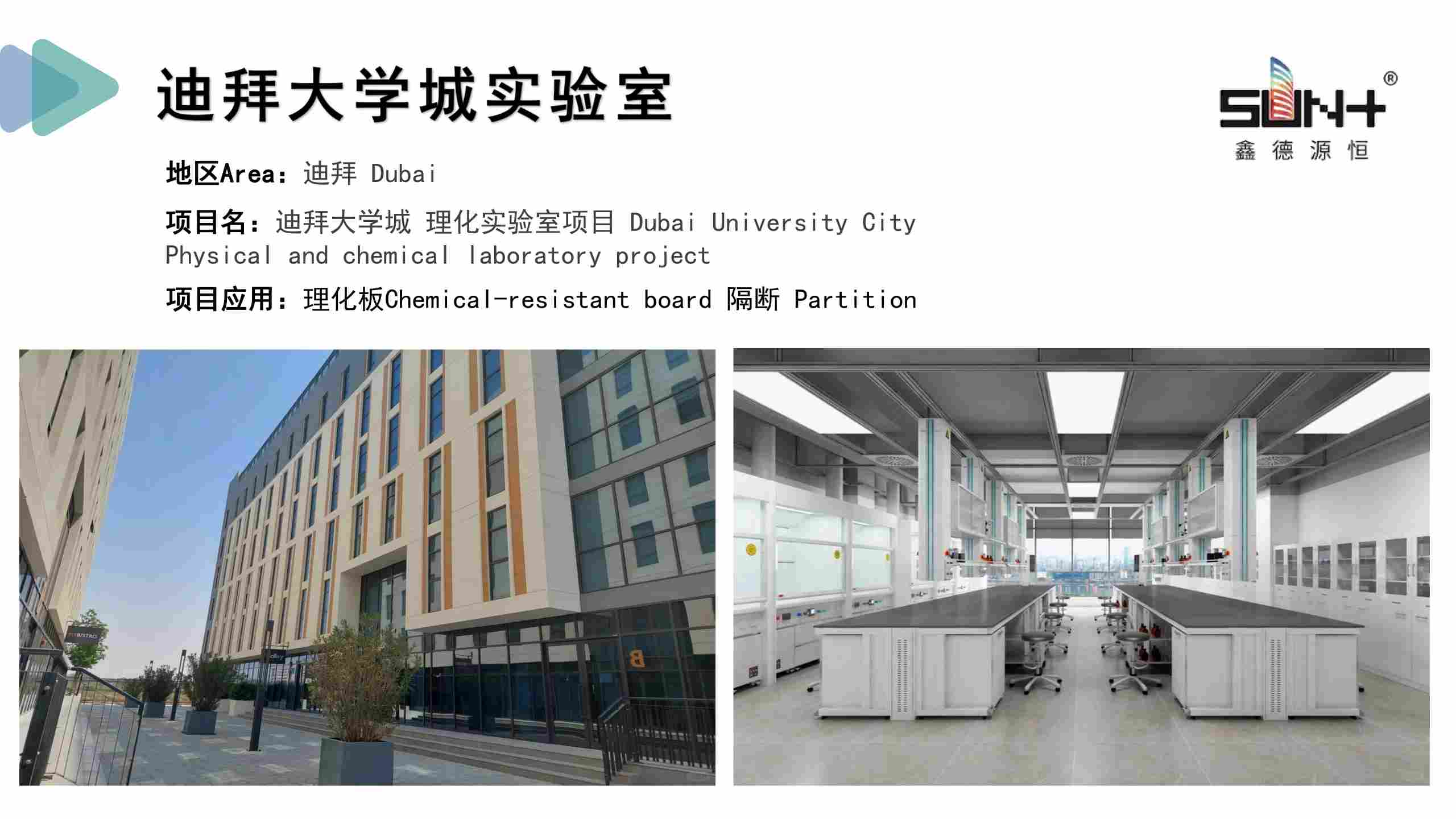
Dubai University City Laboratory
Chemical-resistant HPL boards and partitions were used in Dubai University City's laboratory facilities, ensuring safety and durability in demanding scientific research environments.
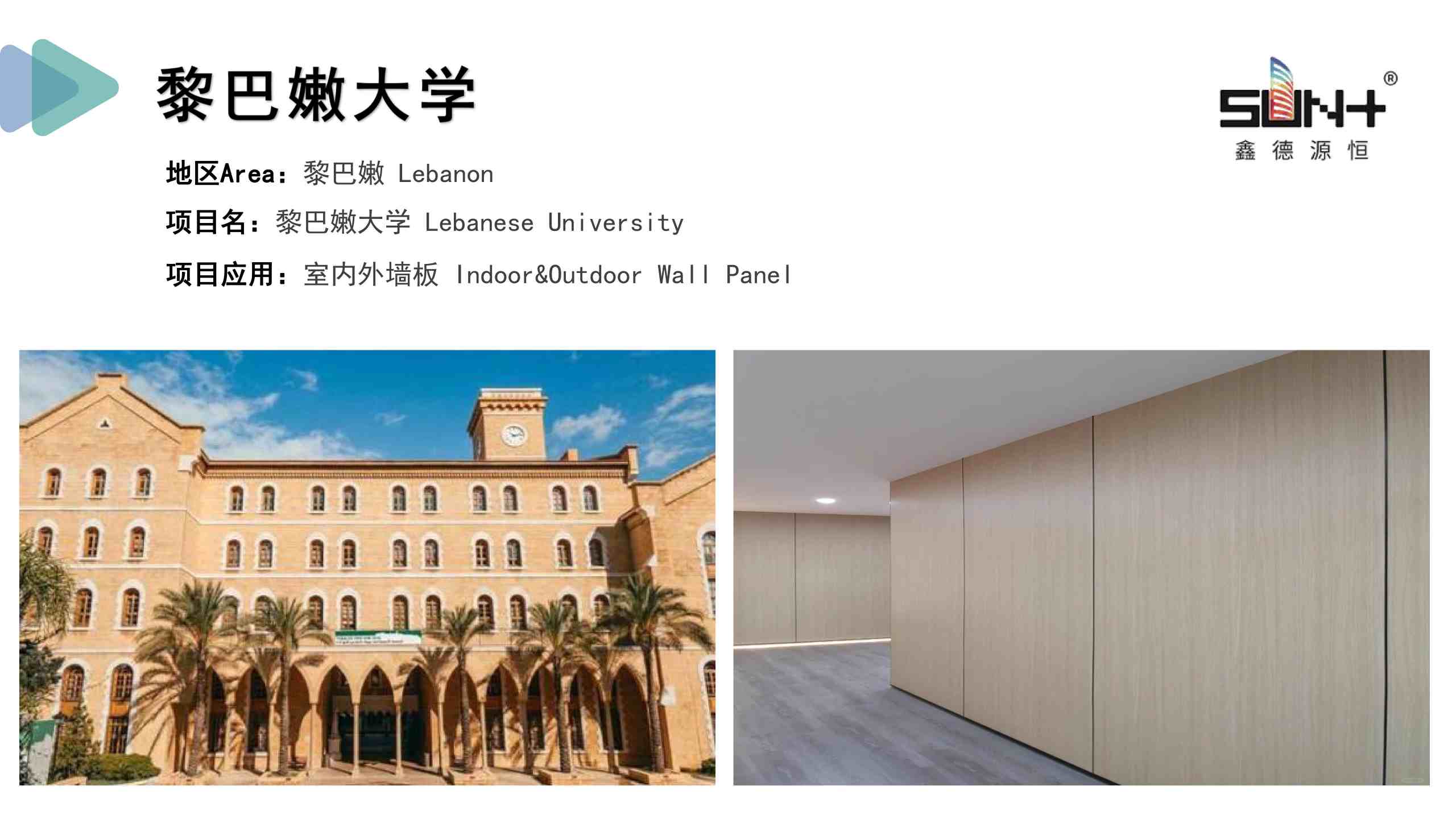
Lebanese University
HPL wall panels were installed at Lebanese University, combining durability with elegant design for academic facilities serving diverse educational purposes.
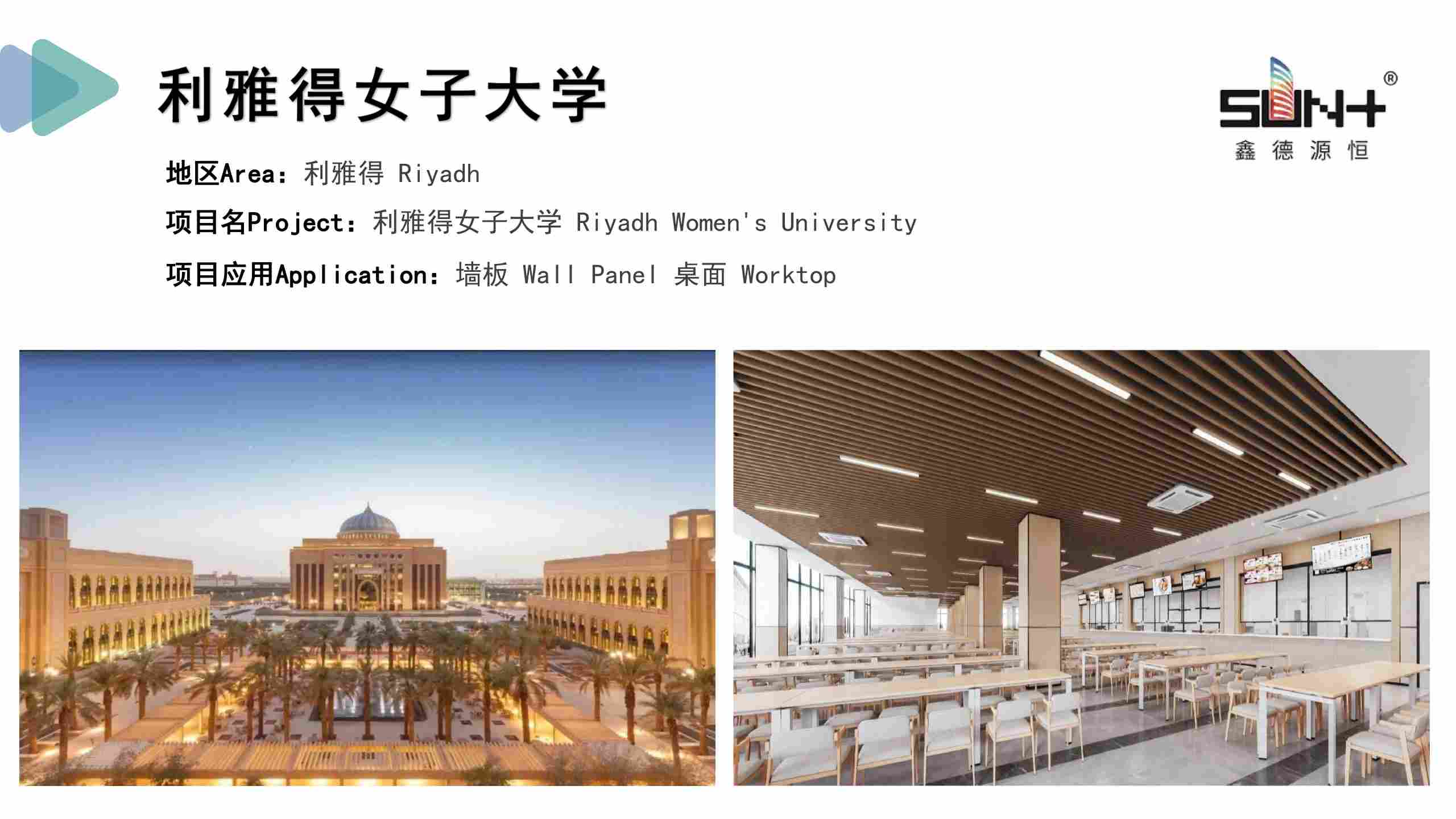
Riyadh Women's University
Premium HPL wall panels and worktops were selected for Riyadh Women's University, providing functional and aesthetically sophisticated surfaces for modern educational facilities.
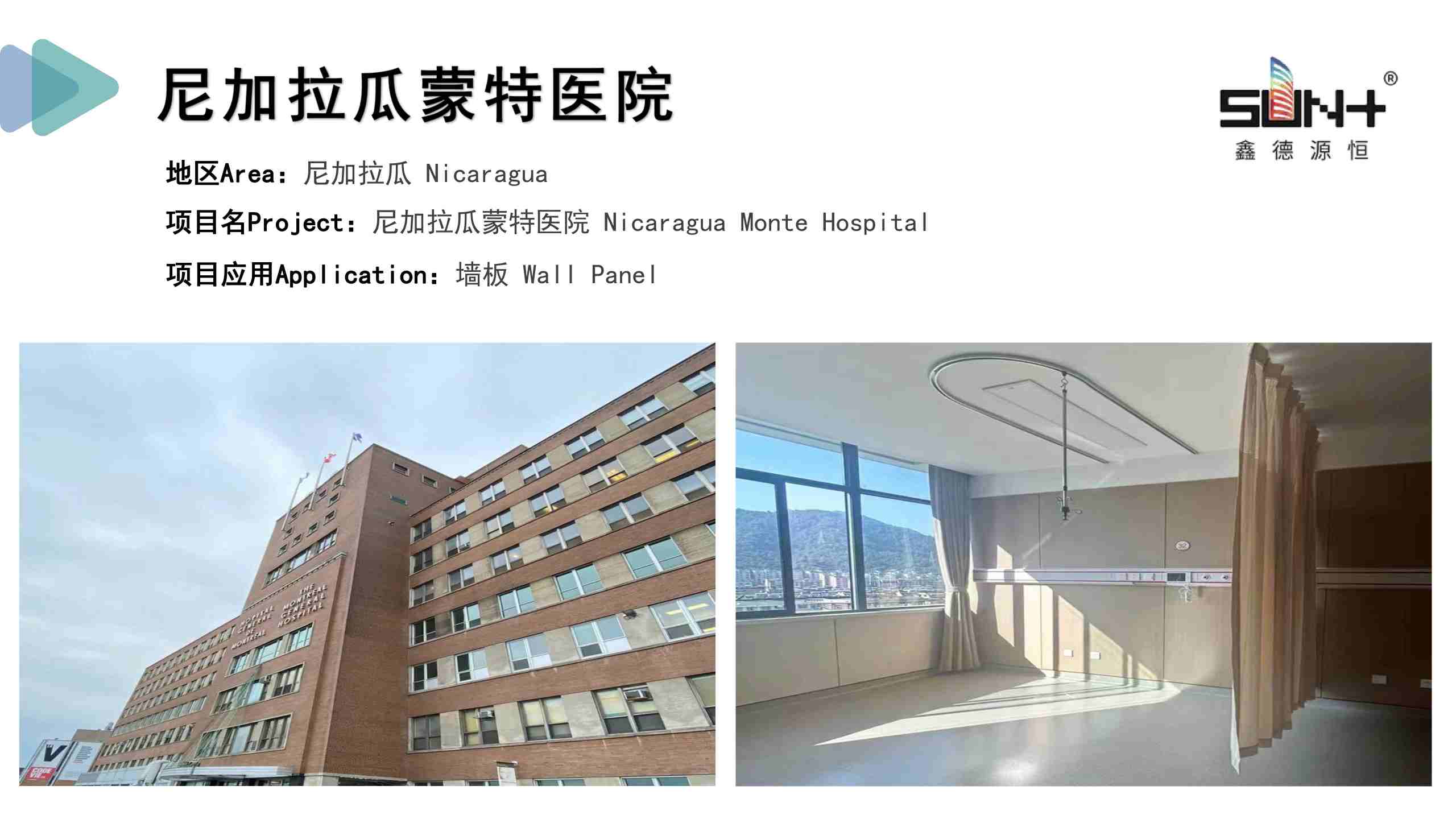
Nicaragua Monte Hospital
Durable and hygienic HPL wall panels were installed at Nicaragua Monte Hospital, meeting healthcare facility standards for cleanliness, durability, and professional appearance.
Interested in This Product?
Request a free sample or get a custom quote for your project